
High-Protein Canned Tuna and Salmon Salad Preps (No Mayo)
Canned fish is the most underrated protein in the Canadian pantry. A single tin of salmon delivers roughly 35 grams of protein for about two dollars, needs no cooking, and waits patiently in the cupboard for months. Yet most people only know one way to eat it: drowned in mayonnaise, stuffed between bread, eaten with quiet resignation. These canned salmon meal prep salads take a different path. No mayo anywhere. Instead, olive oil, yogurt, mustard, citrus and herbs do the binding and the flavouring, and the results keep for five days in the fridge without turning sad.
This is also the cheapest high-protein prep on this site. Every formula below lands between roughly $2 and $3 CAD per serving, assembles in about twenty minutes with zero cooking, and travels well for lunches. If your meal prep ambitions consistently die at the stove, start here; the can opener is the only equipment that matters.
Key Takeaways
- A 213g tin of salmon provides roughly 35g of protein; tuna tins provide roughly 30g, at $1.25 to $2.50 CAD per tin.
- Olive oil, Greek yogurt, mustard and citrus replace mayo with better flavour and no sogginess over 5 days.
- All five formulas are no-cook, cost roughly $2 to $3 per serving, and keep 4 to 5 days refrigerated.
- Drain tins very well and keep crunchy add-ins separate for the best day-five texture.
Why Canned Salmon Meal Prep Deserves a Second Look
Let us talk numbers, because canned fish wins on arithmetic. A 213-gram tin of sockeye or pink salmon from Walmart Canada or No Frills runs about $2 to $3 and contains roughly 35 grams of protein. A 170-gram tin of tuna runs $1.25 to $2 with roughly 30 grams. Per gram of protein, canned fish competes with eggs and dried lentils for the cheapest animal protein in the store, and unlike both of those, it requires zero cooking and zero planning beyond opening the cupboard.
The no-mayo angle is about more than preference. Mayonnaise-based salads weep and turn oily by day three, and they carry food-safety baggage in lunch bags without reliable refrigeration. Oil, yogurt and mustard-based dressings hold their texture for the full five days and taste brighter. You also sidestep the single biggest complaint about canned fish salads, the heavy, one-note richness, and replace it with salads that actually taste like their ingredients.
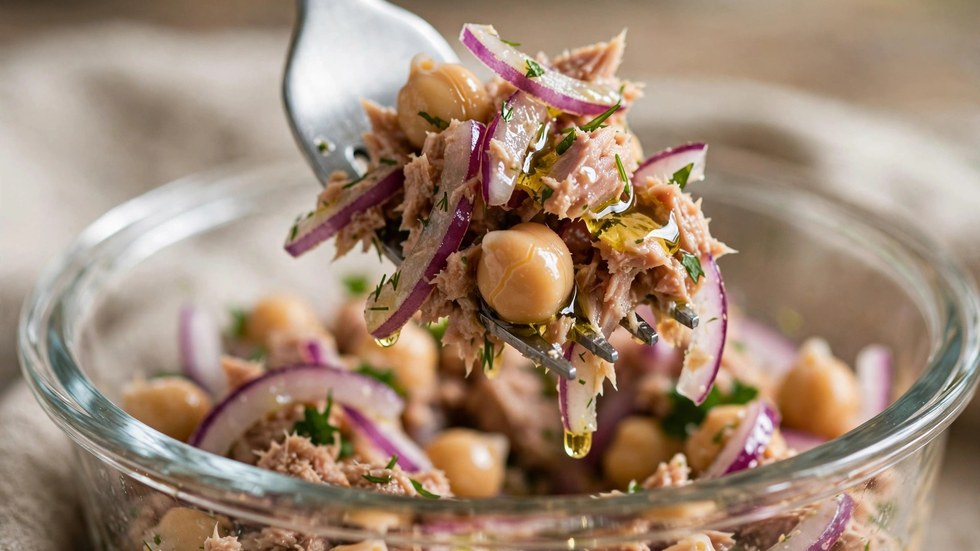
A word on choosing tins. “Skinless boneless” salmon costs more and saves you the minor work of picking out skin and the soft, edible bones. The traditional tins with skin and bones cost less, and the bones are soft enough to mash right in; they are also a notable source of calcium. Buy whichever matches your budget and patience. For tuna, chunk light in water is the economical choice; solid white (albacore) costs more and carries a firmer texture that some prefer in salads.
The No-Mayo Binder Toolkit
Every salad below uses one of four binders. Master these and you can improvise endlessly.
- Olive oil and lemon: Three parts oil to one part lemon juice, salt, pepper. The classic. Lets the fish flavour lead.
- Greek yogurt and Dijon: Half cup yogurt, a tablespoon of Dijon, lemon juice, dill. Creamy without heaviness, and adds about 6 grams of protein per serving on its own.
- Mashed avocado: One ripe avocado mashed with lime juice and salt per two tins of fish. Rich and creamy, but best within three days as avocado oxidizes.
- Hummus: Two to three tablespoons per tin, thinned with lemon juice. Adds fibre and a nutty depth; a good use for the bottom of the tub.
Five No-Mayo Salad Formulas
Each formula makes five servings and takes about twenty minutes. Drain every tin thoroughly; press the lid down and squeeze out as much liquid as possible. Watery fish makes watery salad, and no binder can fix that.
1. Mediterranean Salmon and White Bean Salad
Two tins of salmon flaked into a bowl with two cups of cooked white beans (cannellini or navy), halved cherry tomatoes, diced cucumber, sliced red onion, chopped parsley and a generous olive oil and lemon dressing. The beans stretch the salmon, add about 7 grams of protein per serving, and turn two tins into five genuinely filling lunches. Roughly 34 grams of protein per serving, about $2.60. Serve over greens or with crusty bread; it also stuffs beautifully into a pita.
2. Tuna, Chickpea and Olive Salad
Two tins of tuna with two cups of cooked chickpeas, chopped Kalamata olives, diced red onion, chopped fresh dill and the olive oil and lemon binder. Briny, punchy and deeply satisfying, this one tastes like a holiday on the Aegean and costs almost nothing. About 32 grams of protein per serving, roughly $2.25. The flavours meld and improve over the first two days, making it an ideal Sunday prep for the whole week.
3. Salmon, Quinoa and Cucumber Dill Salad
Two tins of salmon folded into two cups of cooked, cooled quinoa with diced cucumber, thinly sliced radish, loads of fresh dill and the Greek yogurt and Dijon binder. Cool, creamy and fresh-tasting, this is the summer standout that works just as well in February when you need a reminder of crisp flavours. Roughly 33 grams of protein, about $2.85 per serving. Pack it in jars for the prettiest lunch in the office fridge.
4. Spicy Tuna and Edamame Salad
Two tins of tuna with two cups of shelled edamame (thawed from frozen), diced celery, sliced green onion, a tablespoon of sriracha whisked into the olive oil binder, and a teaspoon of sesame oil. The edamame adds about 9 grams of protein per serving and a satisfying chew that tuna alone lacks. Around 35 grams of protein, roughly $2.50 per serving. This is the highest-protein formula on the list and the one with the most interesting texture.
5. Salmon, Lentil and Mustard Herb Salad
Two tins of salmon with two cups of cooked green or brown lentils, diced apple, thinly sliced celery, chopped walnuts and a sharp Dijon and olive oil dressing with tarragon or parsley. The apple sounds odd until you try it; its sweetness and crunch against the rich salmon is the best bite on this list. About 31 grams of protein, roughly $2.75 per serving. Use firm green lentils rather than red, which dissolve into mush.
Protein, Cost and Storage Comparison
| Salad Formula | Approx. Protein per Serving | Approx. Cost per Serving (CAD) | Fridge Life |
|---|---|---|---|
| Salmon and White Bean | ~34g | ~$2.60 | 5 days |
| Tuna, Chickpea and Olive | ~32g | ~$2.25 | 5 days |
| Salmon, Quinoa and Dill | ~33g | ~$2.85 | 4 days |
| Spicy Tuna and Edamame | ~35g | ~$2.50 | 5 days |
| Salmon, Lentil and Mustard | ~31g | ~$2.75 | 5 days |
Assembly and Storage Rules
Mix the salad base, fish, legumes, grains, hardy vegetables, on Sunday and portion into five containers. Keep the dressing separate if the formula uses a delicate binder like mashed avocado; oil and yogurt-based dressings can go in from the start. Delicate greens, if you are serving over them, always travel separately and get added at lunch.
The twenty-minute Sunday method: open and drain all tins first, then cook any grain or legume that is not canned, then chop all vegetables in one batch, then mix each salad in its own large bowl and portion. Working in stages instead of making one salad start-to-finish is noticeably faster.
Odour management is worth a mention for office lunches. Tuna smells like tuna; there is no way around it. The salmon formulas are milder, and the lemon and herb dressings help. If your workplace has strong feelings about fish at desks, these salads are excellent eaten cold at home too, and the salmon options are the safer office choice.
Stretching Tins Further
The legume and grain pairings in these formulas are not just filler; they are the budget strategy. A tin of salmon stretched with white beans feeds five people at high protein for the price of barely two tins alone. Dried beans and lentils from the bulk aisle cut the cost further, and a weekend batch-cook of a big pot of chickpeas or lentils covers salads for two weeks when frozen in portions.
Watch for case sales. Canned salmon and tuna go on deep discount a few times a year at Real Canadian Superstore and Costco Canada; buying a case at sale price can cut your per-tin cost by thirty percent or more. Canned fish keeps for years, so there is no downside to stocking up beyond the cupboard space.
Price your own combinations with the calculator before the next sale hits.
Canadian Meal Prep & Macro Estimator
Enter your costs in $ CAD and get per-portion cost, macros and freezer guidance.
No-mayo canned fish salads are the meal prep equivalent of a good winter coat: unglamorous, deeply practical, and quietly better than the expensive alternative. Twenty minutes, one can opener, five lunches with thirty-plus grams of protein each. Start with the Mediterranean salmon and white bean; it is the formula that converts the sceptics.

You May Also Like
Cottage Cheese Hacks: 5 High-Protein Winter Breakfast Preps
High-Protein Shepherds Pie Prep with Cauliflower & Potato Mash
